
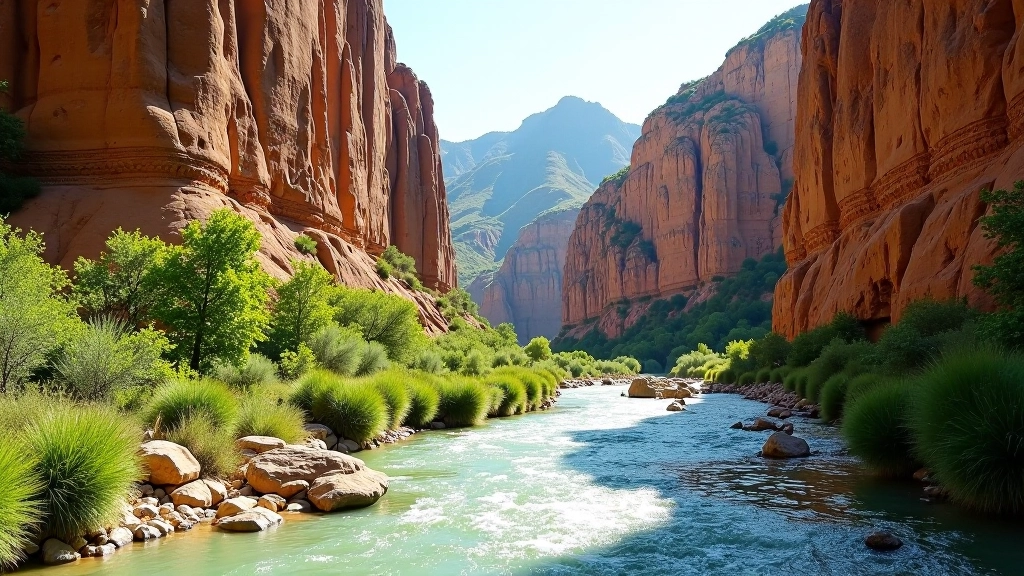
Starting Out: Your First Valley Hike
What to bring, how to pace yourself, and why the valley trails are perfect for beginners. Real tips from experienced hikers.
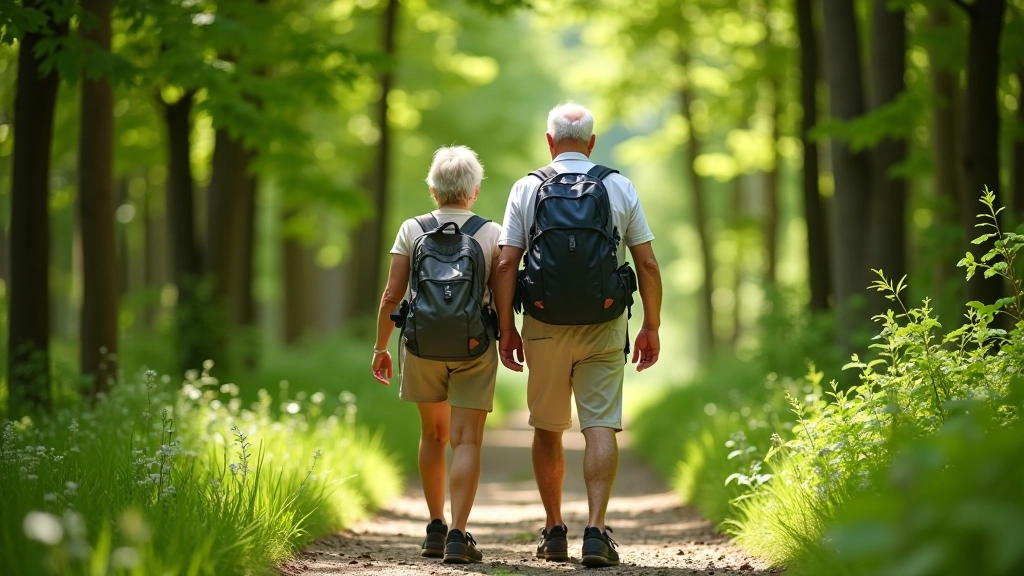
Why Valley Trails Are Perfect for Starting Out
Valley hiking isn't like mountain climbing. The terrain's gentler, the distances are manageable, and you're not fighting gravity the whole time. We're talking well-maintained paths through the Amata river canyon where the elevation changes are gradual and the scenery keeps you motivated.
Most people underestimate how much they'll enjoy being outside. It's not about pushing yourself to exhaustion — it's about spending a few hours in nature, getting your steps in, and actually feeling better afterward. The trails near Cēsis are perfect for this. They're accessible, they're beautiful, and they're designed with hikers like you in mind.
The biggest mistake beginners make? They bring too much stuff, they go too fast, and they don't bring enough water. We'll fix that.
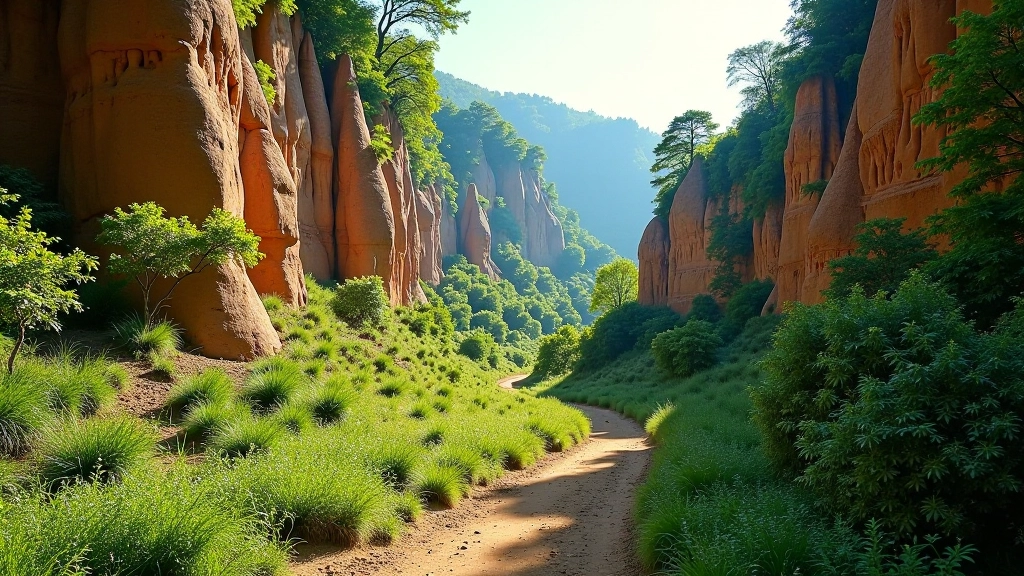
The Four Things You Need to Do Before You Go
Simple preparation makes the difference between a good hike and a great one.
01
Check the Weather and Trail Conditions
Don't just assume it'll be nice. Check the forecast for the actual day you're hiking, not just the temperature. You're looking for dry conditions — wet trails near the canyon can be slippery, especially on the sandstone sections. Call ahead or check the Cēsis tourism office website. They'll tell you if there are any closures or maintenance work.
02
Pick a Trail That Matches Your Fitness Level
Valley trails vary. Some are flat and easy — like the lower Amata sections that take about 90 minutes round trip. Others have more elevation. For your first time, stick to trails that are 2-3 kilometers, mostly flat or gently rolling. You can always do more next time.
03
Tell Someone Where You're Going
This isn't paranoia. Tell a family member or friend which trail you're on, what time you're starting, and when you expect to be back. It's a simple safety step. If you're hiking solo, consider bringing a charged phone and letting someone know you'll text when you're done.
04
Start Early in the Day
Don't head out at 3pm and expect to finish before dark. Morning starts mean you've got plenty of daylight, you'll avoid the afternoon heat, and you won't be rushing. Plus the trails are quieter early on.
What to Actually Pack (Not What You Think You Need)
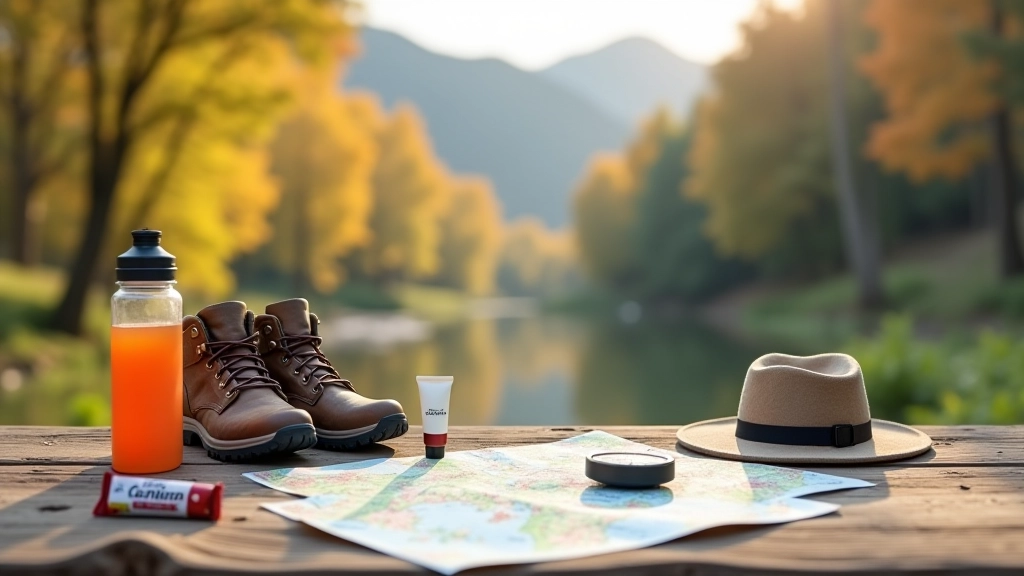
Beginners overpack. They bring their entire kitchen and three extra outfits. You don't need that. Here's what matters:
Water — Lots of It
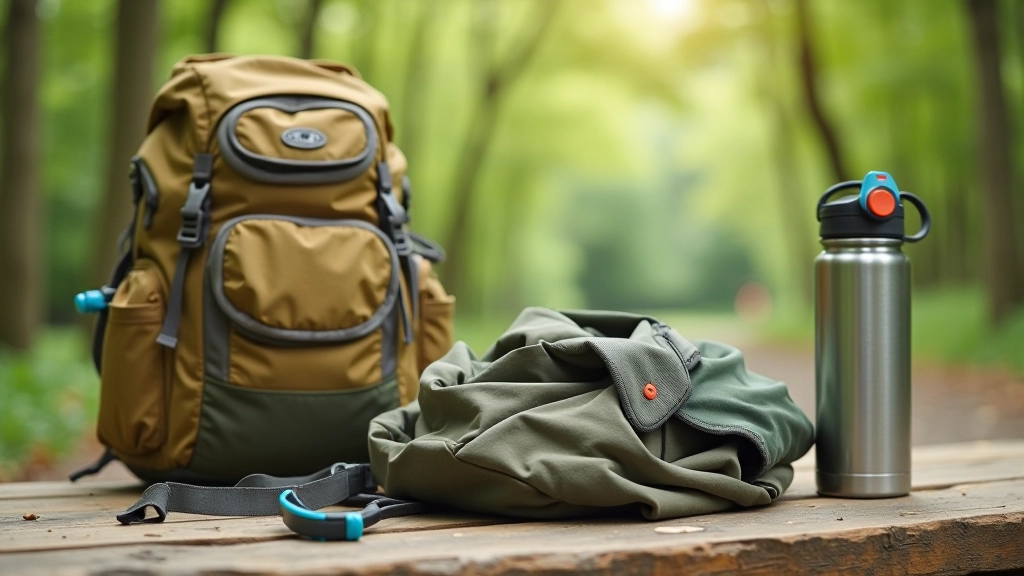
Bring at least 2 liters. Not one. Two. On a 2-hour hike you'll drink more than you think, especially if it's warm. Dehydration makes everything harder — your legs feel heavier, your mind gets foggy, and what should be pleasant becomes a slog.
Snacks That Aren't Heavy
A banana, some trail mix, an energy bar. You're not hiking for 8 hours. Just bring something to keep your blood sugar stable around the halfway point.
Proper Footwear
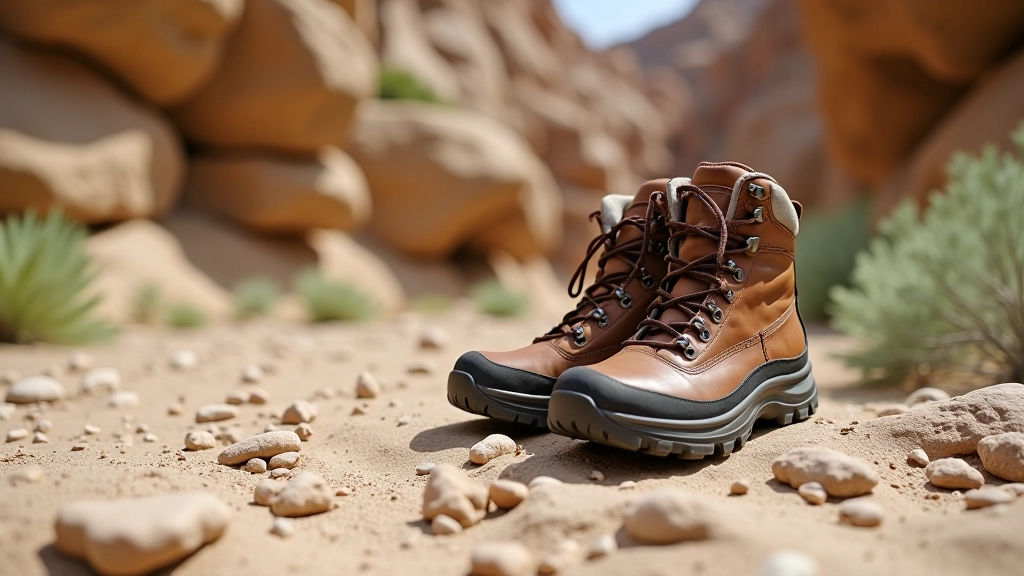
Don't wear new shoes. Wear something you've already broken in. Hiking boots aren't necessary — good trail shoes with ankle support are fine. The sandstone can be rough on your feet so make sure you've got decent tread.
Sun Protection
Sunscreen, a hat, and sunglasses. The valley doesn't have as much shade as you'd think, especially in June and July. A sunburn'll make you miserable the next day.
A Light Layer
Even in summer, bring a thin jacket or fleece. If you stop for lunch and the wind picks up, you'll be glad you have it.
How to Pace Yourself So You Actually Enjoy It
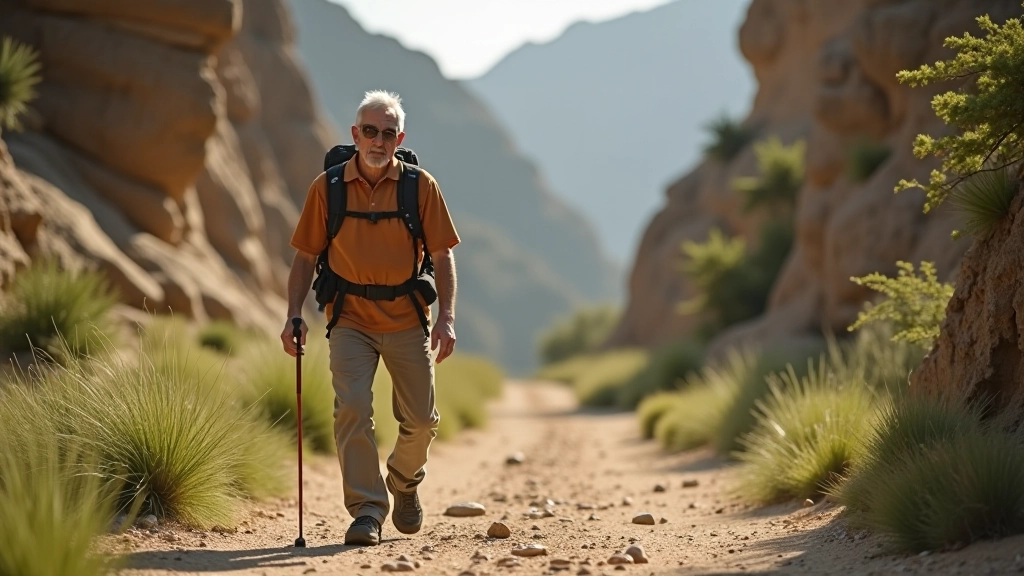
This is where most beginners mess up. They start too fast because they feel fine at the beginning. Then halfway through their knees are angry and they're exhausted. The fix? Slow down intentionally.
Think of hiking like a conversation — you should be able to talk while you're walking, but not sing. That's your pace. If you're breathing too hard to speak, you're going too fast. Back off. The trail isn't going anywhere.
Pro tip: Take a 5-minute break every 20-30 minutes. Sit down, have some water, let your heart rate come back to normal. These small breaks make a huge difference in how you feel at the end.
On steeper sections — and yes, there are a few even on beginner trails — use shorter steps. Don't try to power up. Just keep your stride small and steady. Your knees will thank you. And if you've got trekking poles, use them going downhill. They take pressure off your joints and give you better balance on uneven ground.
Keep Reading

Your First Hike Awaits
Starting a hiking habit doesn't require expensive gear or extreme fitness. It requires showing up, pacing yourself, and being prepared. The valley trails near Cēsis are designed for people like you — people who want to get outside, get moving, and actually enjoy the experience.
Pick a day in the next two weeks. Check the weather. Tell someone where you're going. Bring water. And go. You'll probably surprise yourself with what you're capable of. Most people do.
Questions about trail conditions or accessibility? Get in touch .
Disclaimer
This article provides general information about hiking and trail conditions in the Cēsis area. Individual circumstances, fitness levels, and health conditions vary. Before beginning any hiking activity, especially if you have existing health concerns, consult with your healthcare provider. Trail conditions can change seasonally and after weather events. Always verify current conditions with local authorities before your hike. The information provided is for educational purposes and based on general hiking practices.