
What to Pack: Essential Gear Checklist
From hydration packs to sun protection and emergency items. A complete list without the unnecessary stuff that just weighs you down.
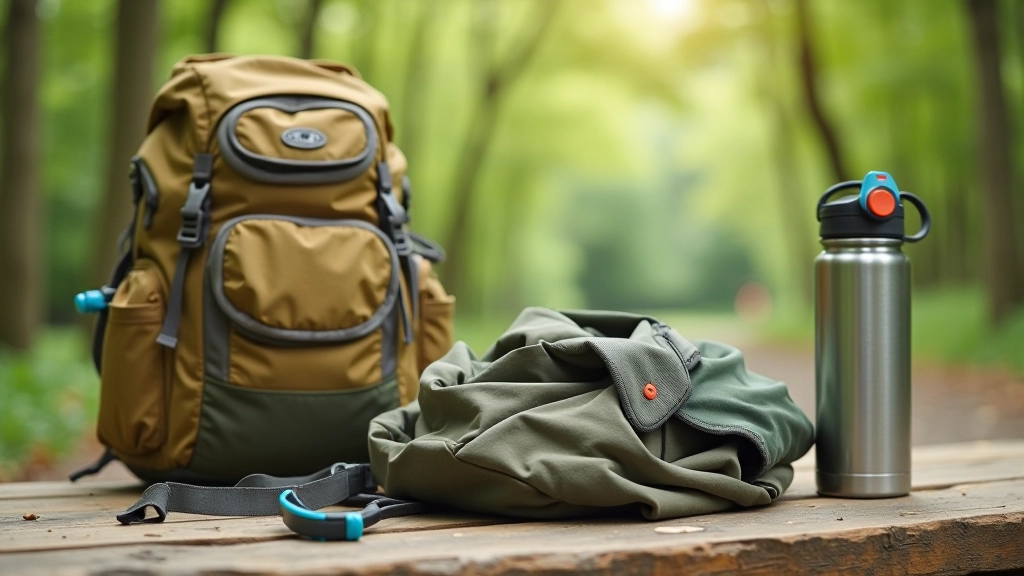
Start Right — Pack Smart
We're not talking about expensive gear or the latest brands. We're talking about what actually works on the trails around Cēsis. The stuff that keeps you comfortable, safe, and enjoying yourself for the full hike — not struggling back to the car because you forgot something important.
The right gear makes a real difference. It's not complicated. But there are definitely things you shouldn't skip, and things you don't need. We'll walk you through both.
Water and Hydration
This one's non-negotiable. You need at least 1.5 to 2 liters of water for a half-day hike on the valley trails. Not coffee. Not juice. Water.
A hydration pack (the kind with a bladder and drinking tube) beats carrying bottles — your hands stay free and you can sip without stopping. But a regular bottle works fine too. The key is bringing enough and actually drinking it. Most people don't drink enough until they're already thirsty.
- 1.5–2L capacity minimum
- Hydration pack or water bottles (your choice)
- Drink every 15–20 minutes, not just when thirsty
- Add electrolyte powder if you're hiking longer than 2 hours
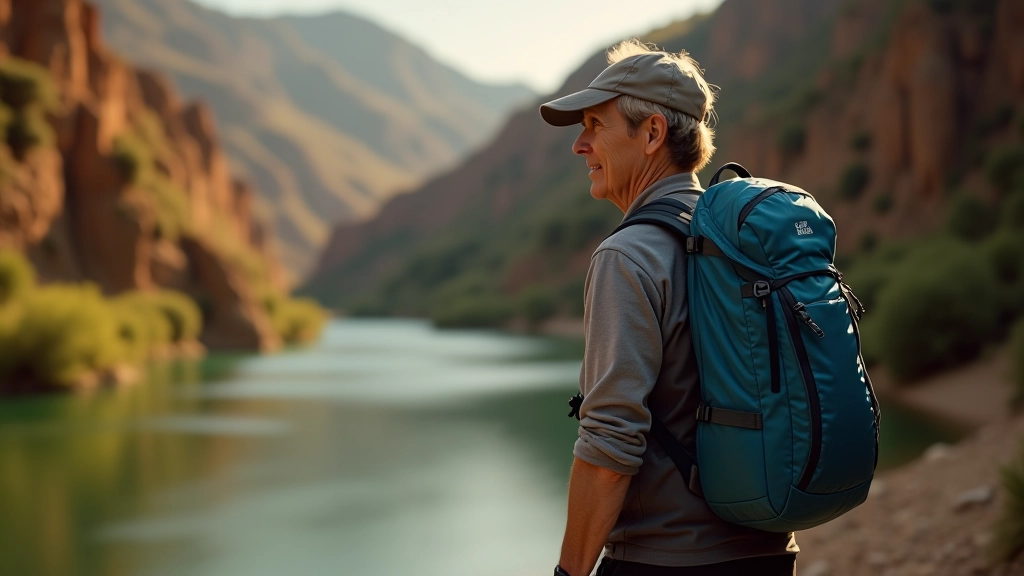
Sun and Weather Protection
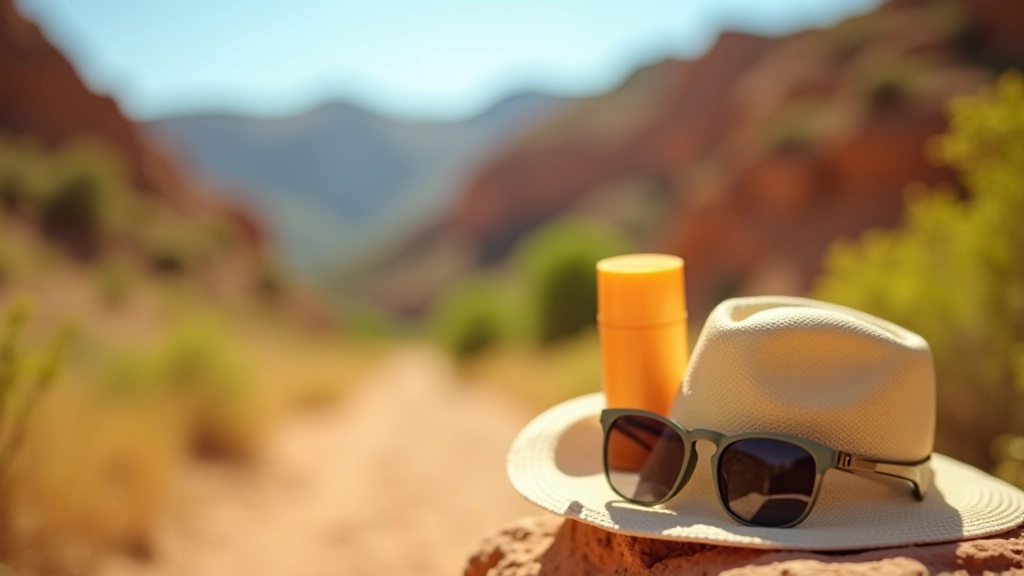
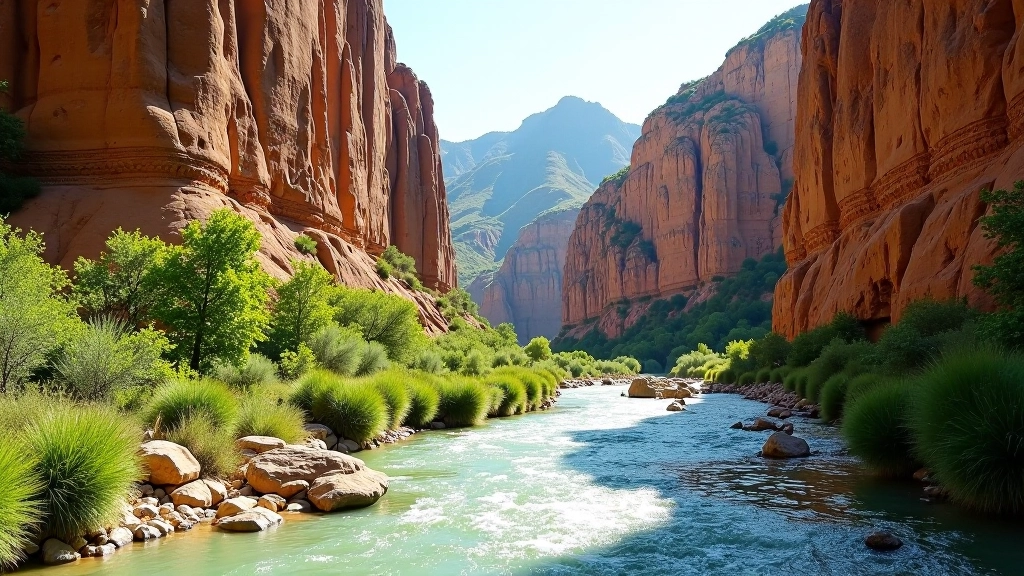
Even on cloudy days, the sun's rays get through. And the valley trails around Amata Canyon don't have much shade in certain sections. You'll want SPF 30 at minimum — apply it before you start, then reapply every couple hours.
A hat is essential. Not a baseball cap — a hat with a brim all the way around that shields your neck and ears. And sunglasses if you're sensitive to glare.
For weather, bring a lightweight rain jacket. The weather changes fast in Latvia. A jacket that packs down into its own pocket is worth its weight.
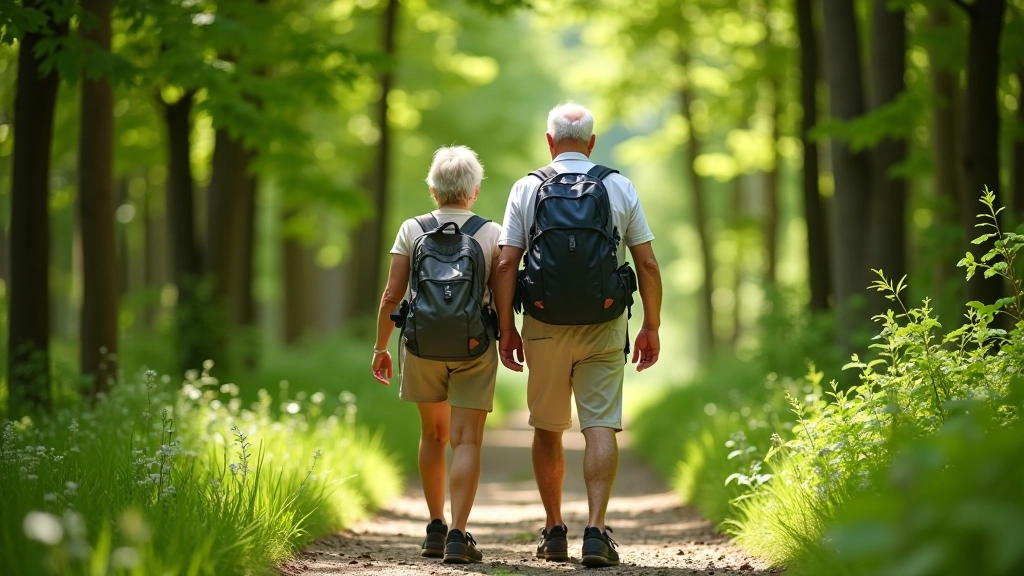
Proper Footwear and Trekking Poles
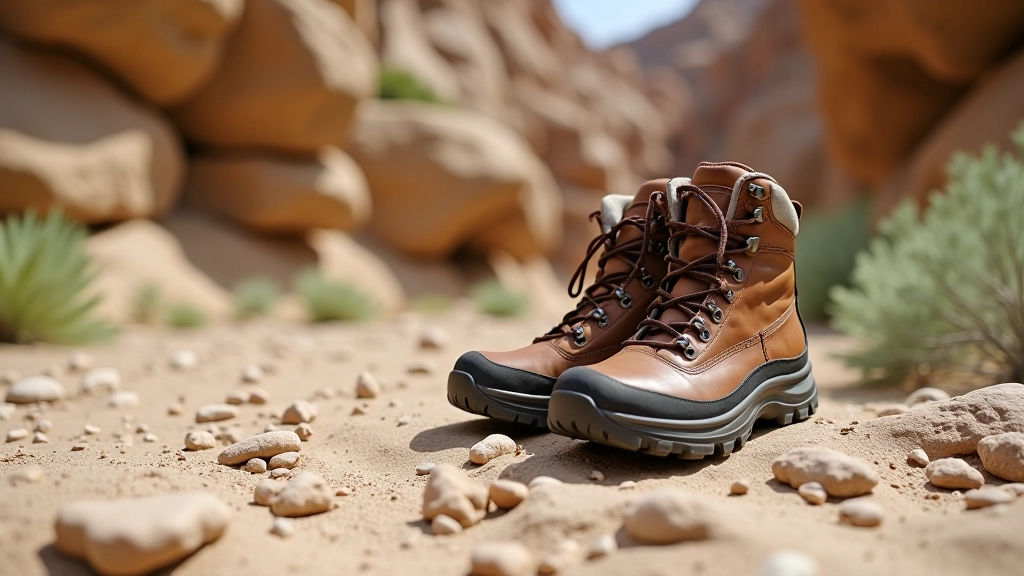
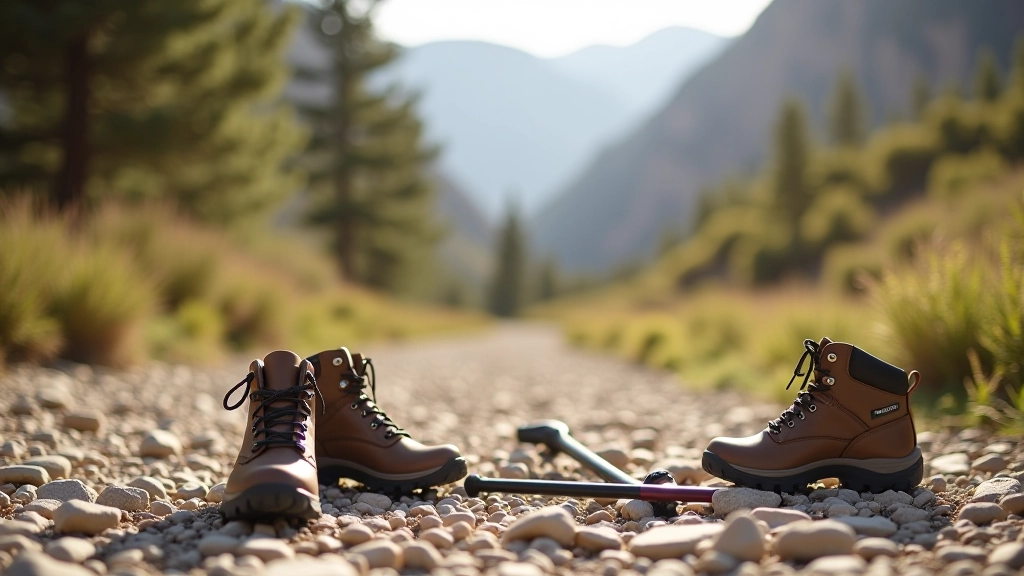
Your feet carry you the whole way. Don't skimp here. Hiking boots with ankle support beat regular sneakers every time. You don't need expensive ones — mid-range hiking shoes work perfectly. What matters is a good sole with grip, especially on wet rocks.
Break in your boots before hitting the trail. Wear them around the house, then on short walks. Blisters will ruin your hike faster than anything else.
Trekking poles aren't optional for the valley trails. They reduce impact on your knees by up to 25% on downhill sections. That's real. Lightweight adjustable poles cost 40–60 euros and last years.
Emergency and Safety Items
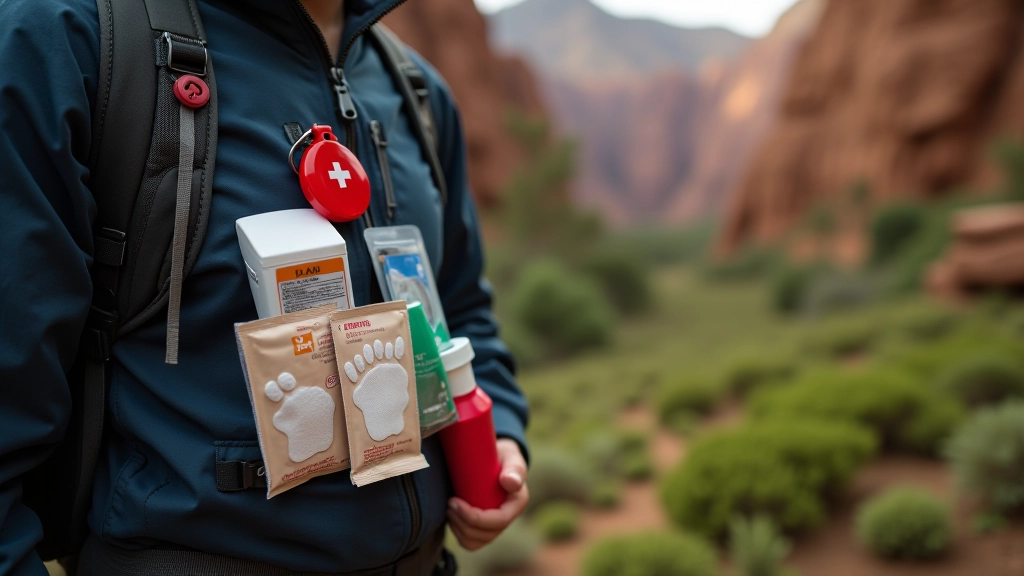
Hope you don't need these. But you're bringing them anyway. A small first aid kit with blister treatment, bandages, and pain relief. Most problems on the trail are blisters or minor cuts.
A fully charged phone is essential. You're not using it to film the view — you're carrying it for emergencies. Bring a portable charger if your phone dies fast. Signal is generally good around the Amata Canyon area, but don't count on it everywhere.
A whistle weighs nothing and could save your life. Seriously. If you get separated or injured, three blasts on a whistle travels much farther than shouting.
A headlamp or flashlight isn't just for emergencies — it's useful if you're out later than planned. The sun sets earlier in autumn and winter.
Snacks and Energy
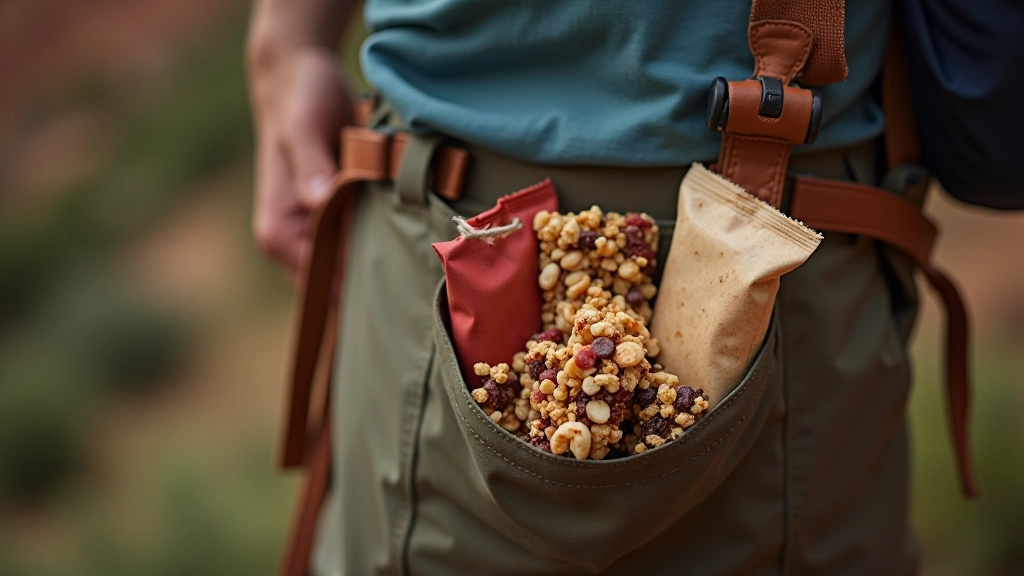
You'll get hungry on the trail. Bring snacks that give you actual energy, not just taste good. Nuts, dried fruit, granola bars, or peanut butter sandwiches. These keep your energy stable and don't weigh much.
Avoid chocolate and sugary candy. You'll get a quick boost then crash. And if it's warm, chocolate melts everywhere.
Pack more than you think you'll eat. It's better to have snacks left over than to run out halfway through and feel exhausted.

You're Ready
That's really it. Water, protection, good shoes, a few essentials, and some snacks. Pack smart, and you'll enjoy your hike instead of suffering through it.
The valley trails around Cēsis and Amata Canyon aren't extreme. But they deserve respect. The right gear — the practical stuff — makes all the difference. You'll notice it immediately. Your knees will feel better. Your feet will be comfortable. You'll have energy for the whole hike.
Don't overthink it. Don't buy expensive gear you don't need. Just get the basics right, and you'll be set for whatever the trails throw at you.
Important Disclaimer
This article provides general educational information about hiking gear and preparation. Individual circumstances, fitness levels, and health conditions vary widely. Before embarking on any hiking activity, especially if you have existing health concerns or are new to hiking, consult with your healthcare provider or a qualified fitness professional. Weather conditions, trail conditions, and personal capabilities should always be considered before starting any outdoor activity. This information is meant to complement, not replace, professional guidance from qualified hiking guides or medical professionals.